Introduction
Understanding the term pandemic is important because it describes events that can affect people across countries and continents. The word pandemic is commonly used when a disease spreads widely across different regions and impacts a large number of people. The pandemic meaning refers to the worldwide spread of an infectious disease that affects communities on a global scale. Unlike regular outbreaks that may remain limited to a specific location, pandemics cross geographical boundaries and create major challenges for healthcare systems, governments, businesses, and individuals.
Throughout history, pandemics have influenced human civilization in many ways. They have changed how people live, work, travel, and interact with each other. A pandemic can create health emergencies, economic difficulties, and social changes. Understanding its meaning helps people recognize the importance of prevention, awareness, and cooperation during health crises.
What Is the Pandemic Meaning?
The basic pandemic meaning is the widespread occurrence of a disease that affects populations in multiple countries or regions at the same time. The term comes from two Greek words: “pan,” meaning all, and “demos,” meaning people. Together, the word represents a disease affecting all people or large populations.
A pandemic usually occurs when a new infectious disease appears and spreads rapidly because people may not have existing immunity against it. When a disease begins spreading among communities and reaches different parts of the world, health organizations may classify it as a pandemic depending on its scale and impact.
A pandemic does not only describe the number of infections but also considers how widely the disease spreads geographically. A disease affecting thousands of people in one city may be a serious outbreak, but it may not be considered a pandemic unless it spreads internationally.
Difference Between Outbreak, Epidemic and Pandemic
Many people confuse outbreaks, epidemics, and pandemics because all three involve the spread of diseases. However, they have different meanings based on their size and geographical reach.
An outbreak refers to a sudden increase in disease cases within a particular area or community. For example, if a disease appears unexpectedly in a small town, it may be called an outbreak.
An epidemic is larger than an outbreak and occurs when disease cases increase beyond what is normally expected in a specific region or country. It can affect many communities but may remain limited to one area.
A pandemic is the largest level of disease spread. It occurs when an infectious disease spreads across multiple countries or continents and affects a significant portion of the global population.
| Term | Meaning | Spread Level |
|---|---|---|
| Outbreak | Sudden increase of cases in a small area | Local |
| Epidemic | Disease spread beyond normal expectations | Regional or national |
| Pandemic | Worldwide disease spread | Global |
How Do Pandemics Begin?
Pandemics often begin when a new infectious disease emerges and starts spreading among humans. Several factors can contribute to the development of a pandemic, including changes in viruses, increased international travel, population growth, and close interaction between humans and animals.
When a new disease appears, people may have little or no natural protection against it. This allows the infection to spread quickly from person to person. Modern transportation systems can also increase the speed at which diseases travel because infected individuals can move between countries within hours.
Environmental changes and urban development may also influence the chances of new diseases appearing. As humans come closer to wildlife habitats, there may be more opportunities for diseases to move from animals to humans.
Common Causes Behind Pandemics
Several factors can increase the possibility of a pandemic occurring. Infectious diseases caused by viruses, bacteria, or other microorganisms can become widespread when conditions allow rapid transmission.
Some major causes include:
- New infectious agents that humans have limited immunity against.
- Increased global travel and international connections.
- High population density in cities.
- Weak healthcare infrastructure in some regions.
- Delayed detection and response to emerging diseases.
A pandemic usually requires multiple conditions to occur together. A disease must be capable of spreading between humans, survive in different environments, and reach enough people to create worldwide impact.
Historical Examples of Pandemics
History has recorded several major pandemics that changed societies around the world. These events provide valuable lessons about disease prevention, medical research, and public cooperation.
One of the most famous examples is the Black Death, which spread across Europe, Asia, and North Africa during the 14th century. It caused millions of deaths and had long-lasting effects on economies and societies.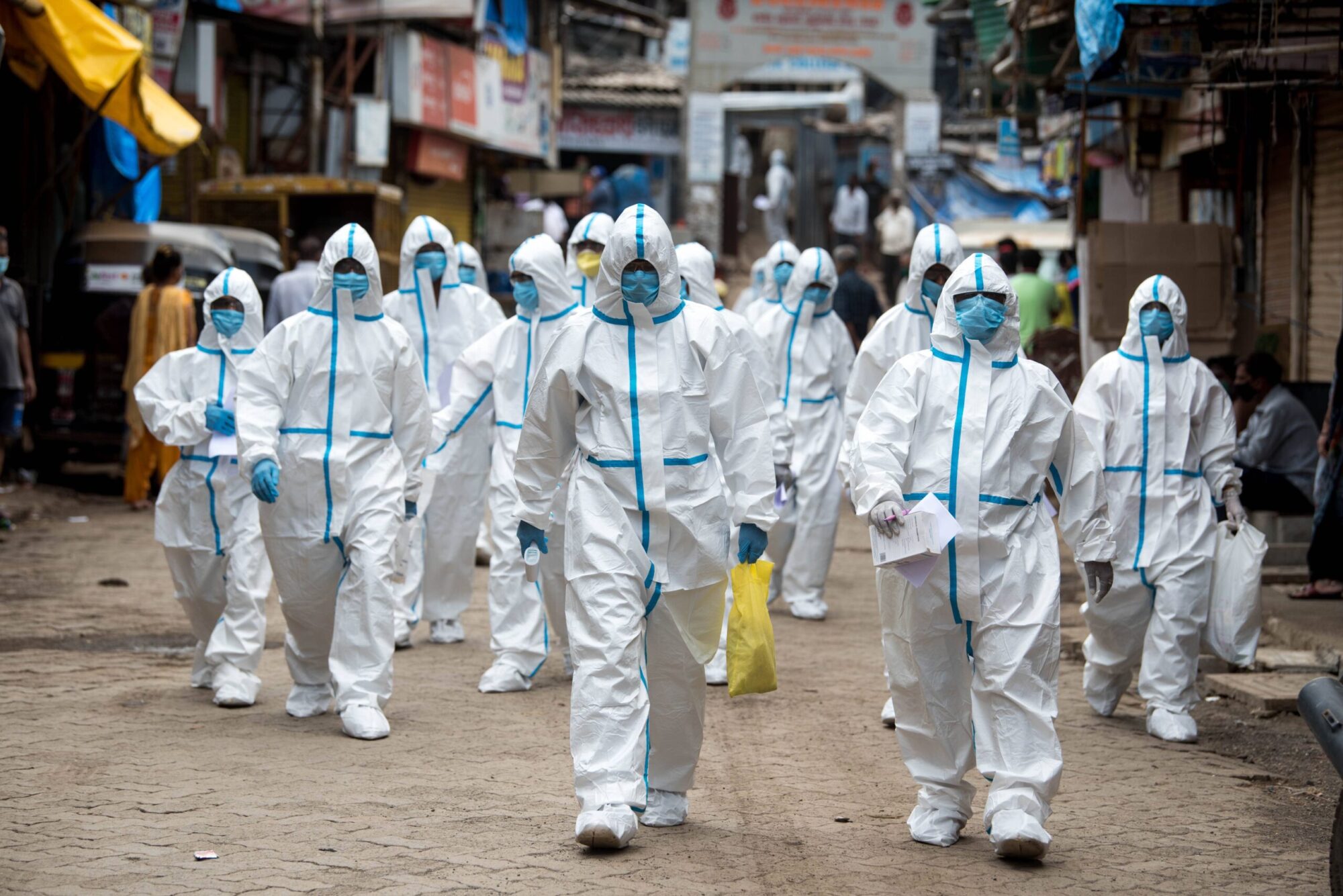
Another significant example was the 1918 influenza pandemic, often remembered as one of the deadliest health crises in modern history. It spread globally and affected millions of people.
In recent times, the global health crisis caused by COVID-19 demonstrated how quickly a disease can affect everyday life. It changed travel patterns, workplace systems, education methods, and healthcare approaches worldwide.