Introduction
Understanding the meaning of everyday English words can make communication easier and more natural. One such word is “nonchalant,” which is commonly used to describe someone’s attitude, behavior, or reaction to a situation. The nonchalant meaning generally refers to appearing calm, relaxed, and unconcerned, especially when other people might expect someone to show stronger emotions. A nonchalant person may seem as though nothing is bothering them, even when an important or surprising event is happening around them. The word can have a positive sense when it describes someone who remains composed under pressure, but it can also sound negative if the person appears careless or uninterested. Learning the meaning, examples, synonyms, and correct usage of this word can help English learners use it confidently in conversations, writing, and social media.
What Is the Nonchalant Meaning?
The nonchalant meaning is a calm and casual attitude that shows little worry, excitement, surprise, or concern. When someone behaves nonchalantly, they may appear relaxed even in a situation where another person would become nervous or emotional. For example, imagine a student who receives difficult news about an upcoming examination but simply smiles and says, “I’ll manage.” That relaxed response could be described as nonchalant. The word does not necessarily mean that the person truly has no feelings. Instead, it often describes how their behavior appears to others. Someone might actually feel nervous internally but choose to remain calm on the outside. Therefore, nonchalant is often connected with an effortless-looking confidence, indifference, or relaxed manner.
Nonchalant Meaning in Simple English
In simple English, nonchalant means calm and not worried about something. It can describe a person who does not appear nervous, excited, surprised, or concerned.
For example:
- She gave a nonchalant smile after hearing the unexpected news.
- He was nonchalant about being late.
- The player remained nonchalant before the important match.
- She acted nonchalant even though everyone else was nervous.
The exact meaning depends on the situation. If someone stays calm during a stressful moment, nonchalant can suggest confidence and self-control. However, if someone ignores an important problem, the same word may suggest that they do not care enough. This difference is important because the word can describe both a positive sense of calmness and a negative sense of apparent indifference.
Nonchalant Meaning and Its Different Contexts
The meaning of a word can change slightly depending on how it is used. Nonchalant is often connected with a person’s attitude or reaction. In a social situation, someone may behave nonchalantly when they do not want others to know that they are nervous or excited. In professional situations, a nonchalant attitude may indicate confidence, but it could also be interpreted as a lack of seriousness. In sports, a player who performs an impressive action and then reacts casually might be described as nonchalant. On social media, the word is sometimes used to describe people who appear effortlessly calm or emotionally detached. Thus, the nonchalant meaning depends heavily on context, tone, and the behavior being described.
Nonchalant vs. Careless
Nonchalant and careless can sometimes appear similar, but they do not have exactly the same meaning. Nonchalant usually focuses on a person’s relaxed attitude or lack of visible concern. Careless, on the other hand, generally suggests that someone fails to pay enough attention or does not act responsibly.
For example, a person may remain nonchalant before an important presentation because they feel confident and prepared. A careless person might fail to prepare because they do not take the presentation seriously.
| Word | General Meaning | Typical Impression |
|---|---|---|
| Nonchalant | Calm and seemingly unconcerned | Relaxed or indifferent |
| Careless | Not giving enough attention | Irresponsible |
| Calm | Peaceful and controlled | Positive |
| Indifferent | Showing little interest or concern | Often negative |
| Casual | Relaxed or informal | Usually neutral |
Understanding these differences helps prevent incorrect usage in conversations and writing.
Examples of Nonchalant in Everyday Sentences
Examples are one of the easiest ways to understand a new vocabulary word. Consider how nonchalant can describe different situations. A person who calmly walks into a difficult interview without showing nervousness may be described as nonchalant. Similarly, someone who receives a compliment and simply says “Thank you” without becoming overly excited may appear nonchalant. A teenager might act nonchalant after receiving a message from someone they like, even though they are actually excited. In each example, the word describes the outward behavior rather than necessarily revealing what the person feels internally. These examples demonstrate why understanding the nonchalant meaning requires paying attention to the situation and the person’s behavior.
Synonyms of Nonchalant
Several English words can have meanings similar to nonchalant, although each may have a slightly different tone.
Common synonyms include:
- Unconcerned
- Relaxed
- Casual
- Calm
- Composed
- Unruffled
- Indifferent
- Carefree
“Composed” is generally positive because it suggests emotional control. “Indifferent” can be more negative because it suggests a lack of interest or concern. “Casual” may simply describe a relaxed manner without suggesting that someone does not care. Choosing the right synonym therefore depends on the intended meaning.
Antonyms of Nonchalant
The opposite of nonchalant can include words that describe strong concern, nervousness, or emotional involvement. Examples include anxious, worried, nervous, concerned, excited, serious, and attentive. If someone becomes visibly nervous before an important event, their behavior would be the opposite of nonchalant.
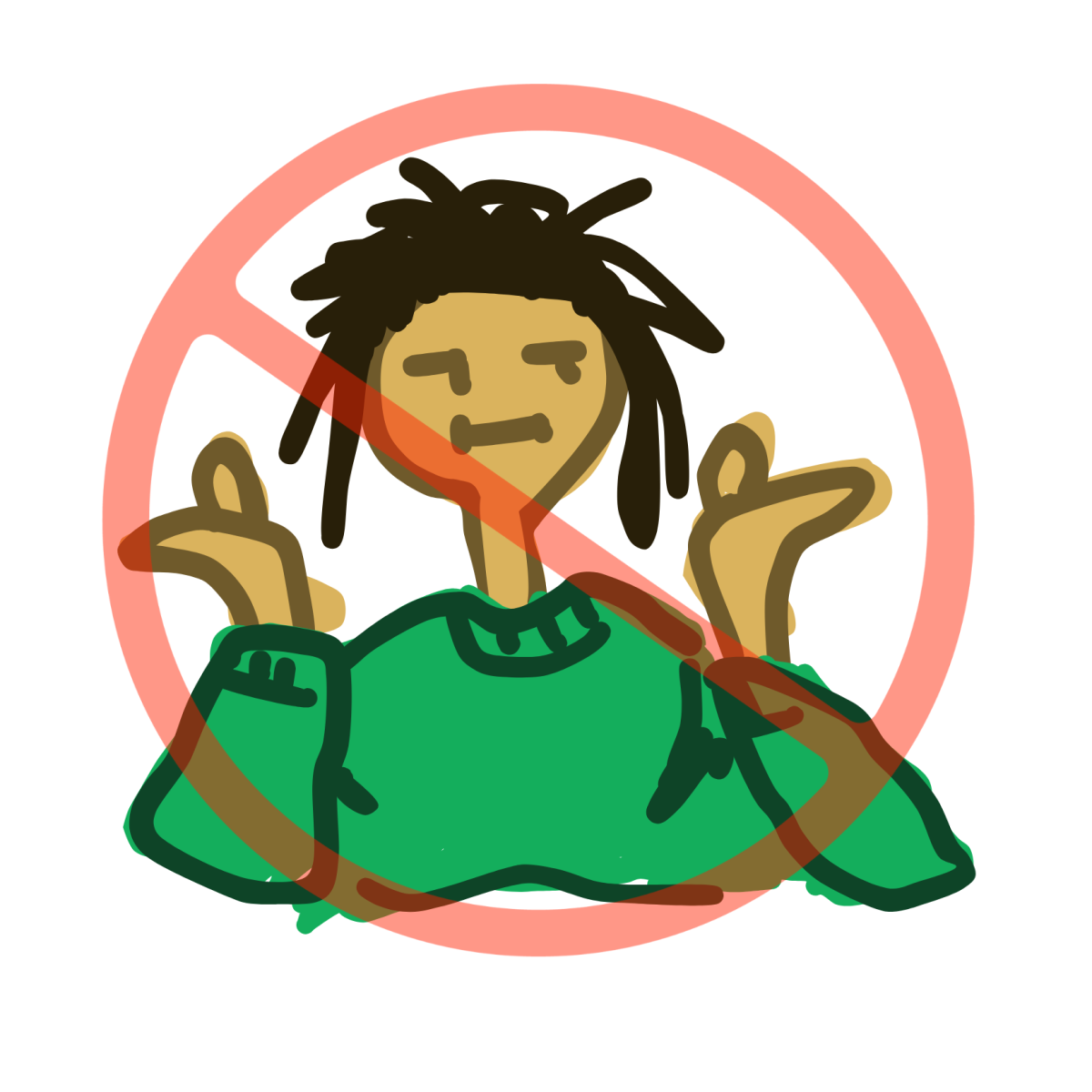 Similarly, someone who reacts strongly to unexpected news may not be described as nonchalant. Learning both synonyms and antonyms is useful because it provides a clearer understanding of how the word fits into the wider English vocabulary. It also makes it easier to recognize the word when reading articles, books, conversations, or social media posts.
How to Use Nonchalant Correctly
Nonchalant is generally used as an adjective. It describes a person, expression, manner, attitude, or behavior that appears relaxed and unconcerned. Common sentence structures include “He was nonchalant,” “She gave a nonchalant response,” or “They maintained a nonchalant attitude.” The word is usually appropriate when describing someone who does not show much emotional reaction to a situation. However, writers should consider whether the intended meaning is calmness or indifference. If the person is genuinely confident and controlled, “calm” or “composed” may sometimes be clearer. If the person appears uninterested, “indifferent” might be more accurate. Using the word according to the context makes communication more precise and natural.
Nonchalant in Modern Conversations
The word nonchalant is increasingly common in casual conversations and online communication. People often use it when talking about someone who appears emotionally unaffected by situations that might normally produce a reaction. For example, a person might say, “He acted completely nonchalant after winning the competition.” This suggests that the person did not display much excitement despite achieving something significant. On social media, the term may also describe a particular style or personality associated with being effortlessly cool, relaxed, or detached. However, online usage can sometimes exaggerate the original meaning. Therefore, learners should remember that the traditional nonchalant meaning focuses on appearing calm and unconcerned rather than simply being fashionable or confident.
Common Mistakes When Using Nonchalant
One common mistake is assuming that nonchalant always means happy or confident. It does not. A nonchalant person may be calm, but the word does not automatically indicate happiness. Another mistake is using it as a direct synonym for careless in every situation. Although the two words can overlap in certain contexts, they emphasize different qualities. Nonchalant focuses more on outward attitude, while careless focuses more on a lack of attention or responsibility. It is also useful to remember that nonchalant is an adjective, so it should be placed naturally within a sentence. Paying attention to grammar and context will make your usage much more accurate.
Why Learning the Nonchalant Meaning Is Useful
Vocabulary knowledge helps people communicate ideas with greater accuracy. The word nonchalant is particularly useful because English speakers often need to describe emotional reactions and attitudes. Instead of saying that someone “looked like they did not care and stayed very relaxed,” one precise word can communicate the idea: nonchalant. This makes writing more concise and expressive. The word can be useful in essays, stories, conversations, interviews, reviews, and descriptions of personalities. Learning its positive and negative shades also helps readers understand the writer’s intention. A character described as nonchalant might be confident and composed, or they might appear emotionally detached. Context provides the clue.
Conclusion
The nonchalant meaning describes a person who appears calm, relaxed, and unconcerned, particularly in situations where a stronger reaction might be expected. Depending on the context, it can suggest confidence and emotional control or indicate apparent indifference. Understanding the difference between nonchalant, careless, calm, casual, and indifferent makes the word easier to use correctly. With regular practice and exposure to examples, English learners can naturally include this useful adjective in their vocabulary. Whether describing a friend’s reaction, a character in a story, a sports personality, or someone’s behavior in everyday life, nonchalant is a practical word for expressing a relaxed and seemingly unaffected attitude.