Introduction
Understanding the meaning of words is an important part of learning any language. Tamil is one of the oldest and most widely spoken classical languages, with a rich vocabulary and a long literary tradition. People who are learning Tamil often search for the meaning of Tamil words to understand conversations, books, websites, educational materials, and everyday communication. The phrase meaning in Tamil generally refers to finding the Tamil translation or explanation of a word, phrase, sentence, or concept. Depending on the context, one English word may have several Tamil meanings. Therefore, simply translating a word is not always enough; understanding how it is used in a sentence can provide a much clearer explanation. This guide explains how Tamil meanings work, why context matters, and how learners can improve their vocabulary through practical examples and regular reading.
What Does Meaning in Tamil Mean?
The phrase meaning in Tamil is commonly used when someone wants to know how an English word, phrase, or expression can be understood in the Tamil language. For example, the English word “beautiful” can be translated as “அழகான” in Tamil, while “friend” can be translated as “நண்பர்” or “நண்பன்,” depending on the context and speaker. Translation is therefore not always a word-for-word process. The correct Tamil word can depend on the situation, grammatical form, relationship between speakers, and intended meaning. A dictionary can provide several possible translations, but examples help learners understand which word is appropriate. Students, travelers, professionals, and people learning Tamil online can all benefit from understanding words in context. Learning meanings in this way makes communication easier and helps people recognize vocabulary when they encounter it in real conversations.
Why Is Understanding Tamil Meanings Important?
Knowing the meaning of individual words makes it easier to understand complete sentences. A learner who knows common vocabulary can gradually read Tamil articles, follow conversations, understand instructions, and communicate more confidently. For students, vocabulary knowledge is especially useful because textbooks often contain words that are unfamiliar to beginners. Understanding meaning in Tamil can also help English speakers communicate with Tamil-speaking family members, friends, colleagues, and communities.
Tamil also contains words with different meanings depending on how they are used. Tone and context can influence interpretation. Some formal words may be appropriate in writing but sound unusual in casual conversation. Similarly, everyday Tamil can differ from the language used in literature or official documents. Learning these differences allows a person to choose vocabulary naturally rather than relying only on direct translations.
Common English Words and Their Tamil Meanings
The following table provides simple examples of frequently used English words and their common Tamil equivalents.
| English Word | Tamil Meaning | Simple Use |
|---|---|---|
| Love | அன்பு / காதல் | Expressing affection |
| Friend | நண்பர் / நண்பன் | A person you know closely |
| Water | தண்ணீர் / நீர் | A basic drink |
| Food | உணவு | Something people eat |
| Home | வீடு | A place where someone lives |
| Book | புத்தகம் | A written or printed work |
| School | பள்ளி | An educational institution |
| Work | வேலை | A job or activity |
| Happiness | மகிழ்ச்சி | A positive emotional state |
| Knowledge | அறிவு | Understanding or information |
These examples demonstrate that a single English word may have more than one Tamil equivalent. The appropriate choice depends on context, formality, and sentence structure.
Meaning in Tamil Depends on Context
One of the most important things to remember when learning vocabulary is that context matters. A word may have different meanings in different situations. For example, “light” can refer to brightness, something that is not heavy, or a device used for illumination. Translating it into Tamil requires understanding which meaning is intended.
The same principle applies to Tamil. Some Tamil words can be interpreted differently depending on the sentence. This is why learners should avoid memorizing isolated translations without examples. Reading complete sentences provides additional information about grammar and usage. When searching for meaning in Tamil, it is useful to check multiple examples rather than choosing the first translation available. This approach helps learners develop a more natural understanding of vocabulary and reduces confusion when the same word appears in different situations.
How to Learn Tamil Meanings More Effectively
Learning vocabulary does not have to involve memorizing hundreds of words at once. A gradual approach is often easier and more effective. Start with words that appear frequently in everyday conversations. Learn their Tamil meaning, pronunciation, and use in a simple sentence.
Useful methods include:
- Learn five to ten new words each day.
- Write each word with its Tamil translation.
- Create a short example sentence.
- Review previously learned vocabulary regularly.
- Read simple Tamil content.
- Practice speaking the words aloud.
- Compare formal and conversational usage.
Keeping a personal vocabulary notebook can also be helpful. Divide words into categories such as food, family, education, travel, work, emotions, and common actions. Grouping related words makes them easier to remember because they form meaningful connections.
Meaning in Tamil for Students and Language Learners
Students frequently need translations when studying English, Tamil, science, mathematics, social studies, and other subjects. A clear understanding of terminology can make difficult lessons easier. For example, students may encounter unfamiliar academic words in textbooks and need their Tamil explanations before they can understand the larger concept.
Teachers and parents can also use bilingual explanations to introduce new vocabulary. Instead of giving only a direct translation, they can explain the word through a simple sentence or real-life example. This method helps students understand both the word and its practical application.
Language learners should also pay attention to pronunciation. Knowing a translation without knowing how to pronounce or use a word can make communication difficult. Combining spelling, pronunciation, meaning, and example sentences creates stronger vocabulary knowledge.
Everyday Examples of English to Tamil Meaning
Simple examples can make vocabulary easier to understand. Consider the sentence “I am going home.” In Tamil, it can be expressed as “நான் வீட்டிற்குச் செல்கிறேன்.” Here, understanding each word individually is useful, but understanding the complete sentence provides a better picture of natural usage.
Another example is “She is happy,” which can be expressed as “அவள் மகிழ்ச்சியாக இருக்கிறாள்.” Similarly, “He is my friend” can be translated as “அவர் என் நண்பர்” or another appropriate form depending on the context and relationship.
These examples show why meaning in Tamil should be studied together with sentence structure. Learning complete phrases helps learners understand grammar while expanding vocabulary.
Formal and Informal Tamil
Tamil has different styles of communication. Formal Tamil is commonly found in official documents, education, news, literature, and professional communication. Informal Tamil is frequently used during everyday conversations with friends and family.
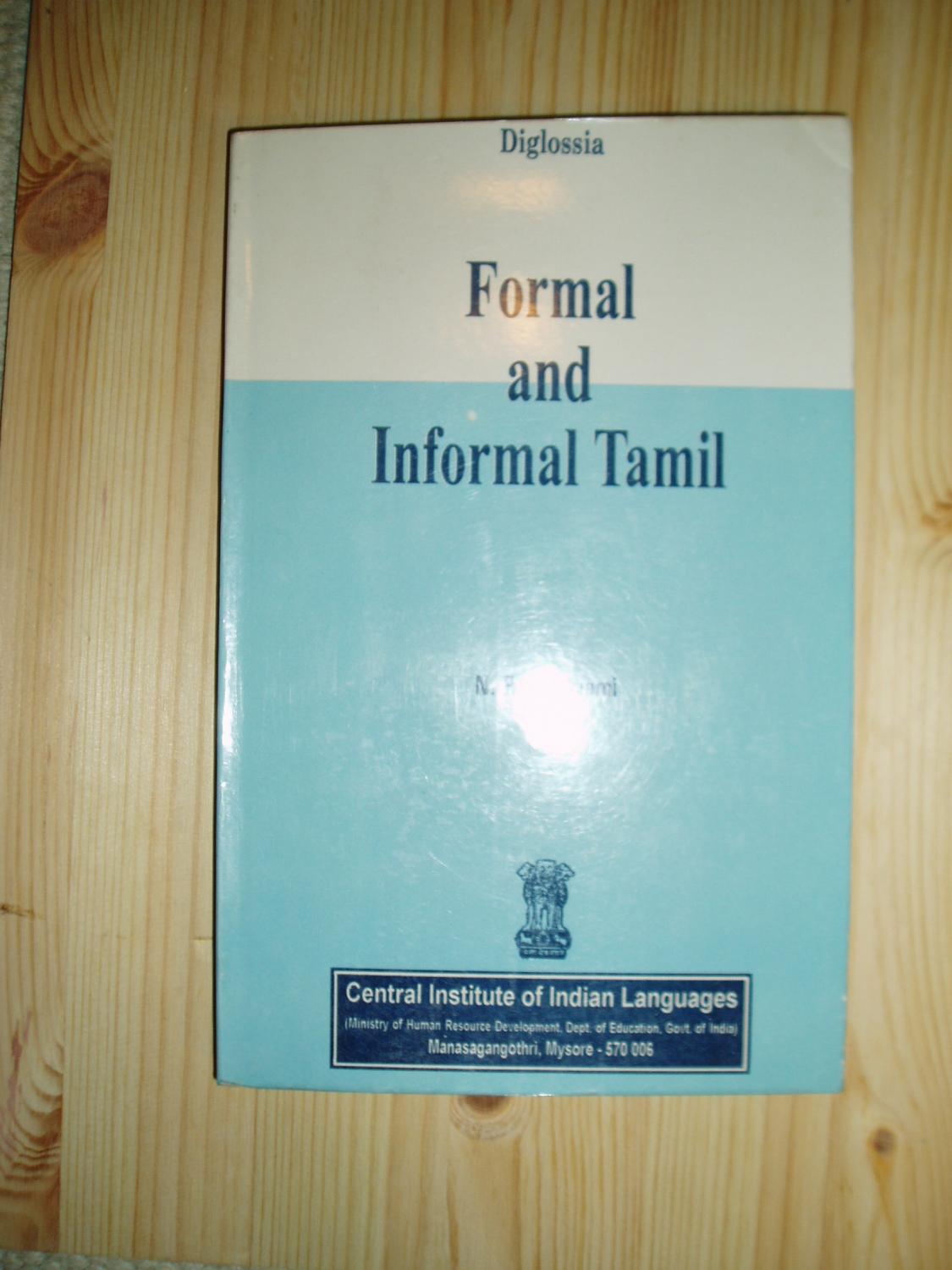 For example, a learner may find one translation in a dictionary but hear a different expression during casual conversation. Both can be correct in their respective contexts. Understanding this distinction prevents confusion and helps learners communicate more naturally.
When studying meaning in Tamil, learners should therefore consider whether they are looking for literary Tamil, formal Tamil, or conversational Tamil. This small distinction can significantly improve language accuracy.
Benefits of Building a Strong Tamil Vocabulary
A strong vocabulary improves several language skills at the same time. It helps people understand what they read, communicate their thoughts, follow conversations, and write more clearly. Vocabulary also makes it easier to learn advanced grammar because learners already recognize the words being used in sentences.
Some major benefits include:
- Better reading comprehension
- Improved speaking confidence
- Easier translation
- Stronger writing skills
- Better understanding of conversations
- Faster learning of new vocabulary
Regular exposure is important. Reading short stories, watching educational content, listening to conversations, and practicing sentences can gradually expand vocabulary.
How Technology Helps With Tamil Meanings
Modern digital tools have made language learning more accessible. People can search for translations, compare definitions, listen to pronunciation, and find example sentences within seconds. Online dictionaries and language-learning platforms can be particularly useful for beginners.
However, learners should not depend entirely on automatic translation. Some expressions are culturally specific and cannot be translated accurately word for word. Checking context and examples remains important. When looking for meaning in Tamil, learners should consider the complete sentence and intended idea instead of selecting a translation without checking how it is normally used.
Tips for Remembering Tamil Meanings
Remembering new vocabulary becomes easier when words are connected with real experiences. For example, instead of memorizing the Tamil word for “water” alone, use it in a sentence about drinking water. Associating vocabulary with actions, objects, pictures, or daily routines creates stronger memory connections.
A simple revision routine can also help. Review new words after one day, then again after several days. Try using the words without looking at the translations. Speaking them aloud can further strengthen recall.
Another useful method is to learn related words together. If you learn a word connected with education, also learn words related to teacher, student, classroom, book, lesson, and examination. This creates a vocabulary network that makes future learning easier.
Conclusion
Understanding meaning in Tamil is more than finding a direct translation from one language to another. It involves learning vocabulary, context, pronunciation, grammar, and natural usage. English words can have several Tamil translations, and the best choice often depends on the situation in which the word appears. Students and language learners can improve their skills by studying common vocabulary, reading complete sentences, practicing pronunciation, and reviewing words regularly. Tables, examples, vocabulary groups, and everyday conversations can make learning more practical and enjoyable. Whether someone is learning Tamil for education, communication, travel, work, or personal interest, developing a strong vocabulary provides a useful foundation. With consistent practice and attention to context, understanding Tamil meanings can become simpler, faster, and more effective.