Introduction
Understanding the pandemic meaning is important because pandemics can affect millions of people, healthcare systems, businesses, education, travel, and everyday life. The word “pandemic” generally describes a disease outbreak that spreads across large geographical areas and affects a significant number of people in different countries or regions. Unlike a local outbreak, which may remain limited to a particular community or location, a pandemic can cross national borders and create widespread public health challenges.
Pandemics are not limited to one particular type of disease. They can involve infectious diseases caused by viruses, bacteria, or other pathogens. The scale and speed of transmission can vary considerably depending on the disease, population immunity, travel patterns, healthcare infrastructure, and preventive measures. Learning the pandemic meaning also helps people understand why authorities sometimes introduce measures such as vaccination programs, testing, public health campaigns, travel guidance, and temporary restrictions. Having accurate information can help communities respond more effectively when a widespread infectious disease emerges.
What Is the Pandemic Meaning?
The pandemic meaning refers to an infectious disease outbreak that spreads over multiple countries or continents and affects a large number of people. The term comes from Greek roots, with “pan” meaning “all” and “demos” meaning “people.” However, a pandemic does not necessarily mean that every person in the world becomes infected. Instead, it describes the broad geographical spread and substantial impact of a disease.
A pandemic can develop when a new infectious disease begins spreading among people who have limited or no existing immunity to it. Modern transportation can contribute to rapid international spread because people can travel between countries within hours. Once transmission becomes widespread, governments, health organizations, scientists, hospitals, and communities may work together to reduce its impact. Understanding the pandemic meaning therefore involves more than simply knowing that a disease is widespread. It also requires understanding transmission, prevention, healthcare capacity, public communication, and the social and economic consequences associated with major outbreaks.
Pandemic vs Epidemic vs Outbreak
The terms outbreak, epidemic, and pandemic are related, but they describe different scales of disease spread. An outbreak generally refers to a sudden increase in disease cases in a particular place or group. An epidemic usually describes disease transmission that is greater than normally expected within a community, region, or country. A pandemic represents a much broader geographical spread across multiple countries or continents.
These terms help health authorities communicate the scale of an infectious disease situation. However, the boundaries between them are not always based on a simple number of cases. Factors such as geographical distribution, patterns of transmission, and international spread can also be important. Knowing these differences makes it easier to understand public health reports and news coverage during major disease events.
| Term | General Meaning | Typical Geographic Scale |
|---|---|---|
| Outbreak | Sudden increase in cases | Local area or specific group |
| Epidemic | Higher-than-expected spread | Community, region, or country |
| Pandemic | Widespread international spread | Multiple countries or continents |
How Does a Pandemic Start?
A pandemic can begin when an infectious disease starts spreading between people and eventually reaches multiple geographical regions. In some cases, a pathogen may emerge or change in a way that allows it to infect humans more effectively. If people have limited immunity and the disease can transmit efficiently, cases may increase rapidly.
International travel can accelerate the geographical spread of an infectious disease. Large cities, airports, workplaces, schools, and other places where people interact closely can also provide opportunities for transmission. The characteristics of the pathogen matter as well. Some diseases spread primarily through respiratory droplets or aerosols, while others can be transmitted through contaminated food, water, bodily fluids, or vectors.
Several factors can influence how quickly an outbreak develops:
- The ability of the disease to spread between people.
- The level of immunity within the population.
- The availability of testing, treatment, and preventive measures.
- Population movement and international travel.
Common Causes Behind Pandemic Spread
There is no single reason why every pandemic occurs. Instead, widespread disease transmission can result from a combination of biological, environmental, social, and behavioral factors. A newly emerging pathogen may spread rapidly when people have little previous exposure or immunity. High population density can increase opportunities for person-to-person transmission, particularly for diseases that spread through close contact or the respiratory system.
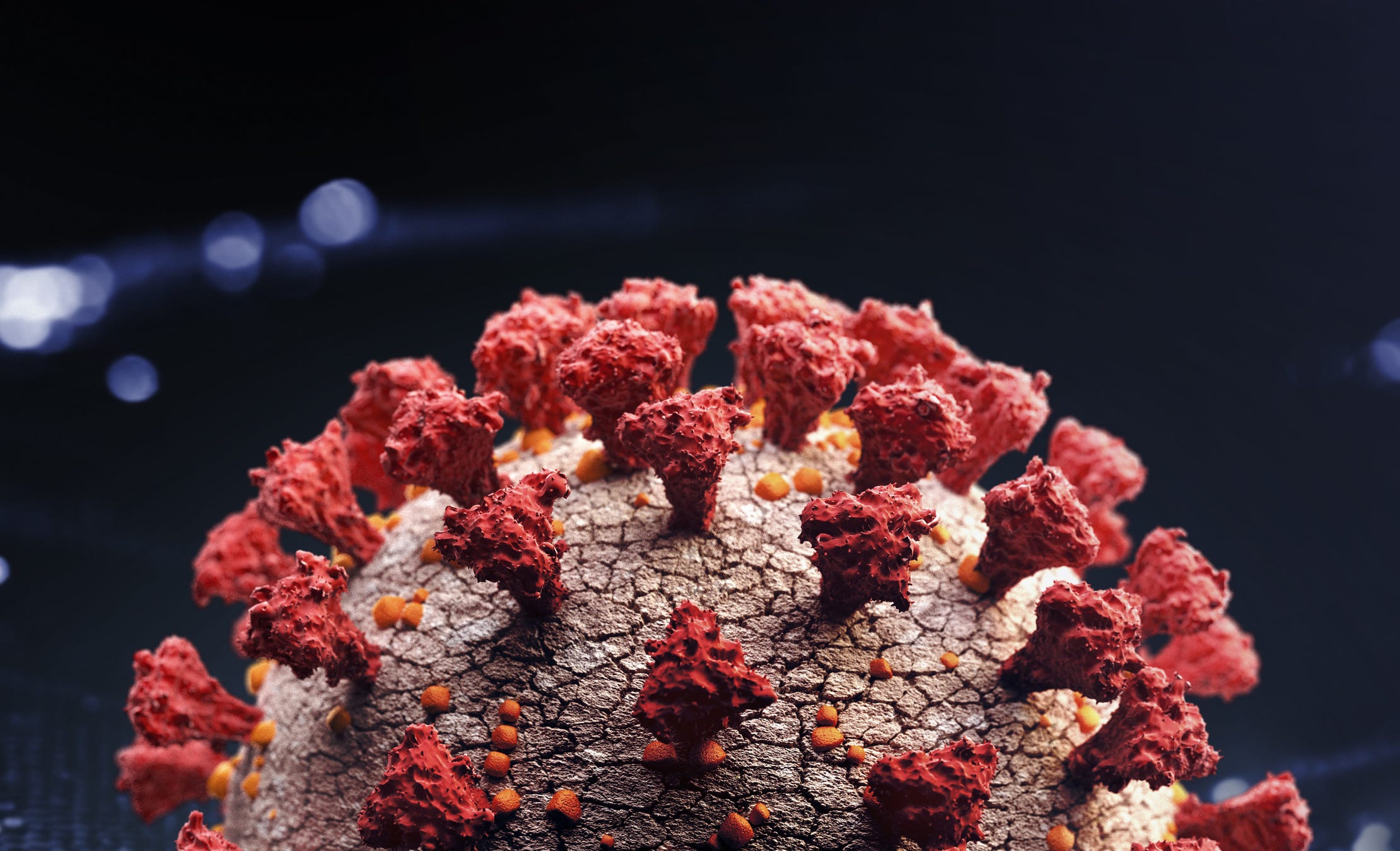 Globalization also plays an important role. People regularly travel between countries for business, tourism, education, and family reasons. This movement can allow an infectious disease to reach new populations before authorities fully understand its characteristics. Environmental changes, interactions between humans and animals, urbanization, and changes in human behavior can also influence the emergence and spread of infectious diseases. Understanding these contributing factors is an important part of understanding the pandemic meaning and preparing for future public health emergencies.
Examples of Major Pandemics
History contains several examples of diseases that spread across large geographical areas. The 1918 influenza pandemic is one of the most well-known historical examples and caused an enormous number of illnesses and deaths worldwide. Other influenza pandemics occurred during the twentieth and twenty-first centuries, demonstrating how respiratory diseases can spread internationally.
COVID-19 became another major example in modern history. The disease was first identified in late 2019, and widespread transmission subsequently occurred across countries and continents. In March 2020, the World Health Organization characterized COVID-19 as a pandemic. The event affected healthcare systems, education, travel, workplaces, supply chains, and daily routines around the world.
Other historical disease events, including the 14th-century plague pandemic, demonstrate that widespread infectious disease is not a new phenomenon. Studying these events helps researchers and policymakers identify patterns and improve preparedness for future outbreaks.
Effects of a Pandemic on Society
A pandemic can affect many areas of society beyond direct health outcomes. Hospitals may experience increased demand for medical services, while healthcare workers can face significant pressure. Schools and universities may change teaching arrangements, businesses may introduce remote work, and governments may modify public services to reduce transmission and maintain essential operations.
Economic effects can also be significant. Businesses dependent on travel, tourism, hospitality, entertainment, and physical retail may experience reduced activity. Supply chains can face interruptions when factories, transportation networks, or international trade are affected. Individuals may also experience changes in employment, income, education, and social interaction.
The effects are not always distributed equally. Communities with fewer healthcare resources or limited access to essential services may face greater challenges. For this reason, pandemic preparedness includes not only medical planning but also social, economic, educational, and communication strategies.
How Can People Reduce the Risk of Infection?
Preventing the spread of infectious disease depends on the specific pathogen and how it is transmitted. During a major health emergency, people should follow reliable guidance from public health authorities and healthcare professionals. Basic measures may include maintaining good hygiene, staying home when sick when appropriate, improving ventilation for respiratory illnesses, and using recommended vaccinations when available.
Public awareness is another important part of prevention. People who understand how a disease spreads are better positioned to make informed decisions. Accurate information can also reduce confusion and discourage the spread of false claims.
Useful general precautions can include:
- Washing hands regularly and maintaining good respiratory hygiene.
- Following current vaccination and public health recommendations.
- Seeking appropriate medical advice when experiencing concerning symptoms.
- Avoiding unnecessary exposure when official guidance recommends precautions.
Importance of Pandemic Preparedness
Pandemic preparedness involves planning before a major infectious disease event occurs. Governments and healthcare organizations may maintain surveillance systems, emergency response plans, medical supplies, laboratories, trained personnel, and communication strategies. Researchers also work on diagnostic methods, treatments, vaccines, and other tools that can help control emerging diseases.
For communities, preparedness can include understanding reliable sources of health information and knowing how to respond during an emergency. Businesses and educational institutions may also develop continuity plans so that essential activities can continue when normal operations are disrupted.
Preparedness does not mean predicting exactly when or where the next pandemic will happen. Instead, it means creating systems that can respond quickly when an unfamiliar infectious disease begins spreading. Strong healthcare infrastructure, scientific research, international cooperation, and clear public communication can all contribute to a more effective response.
Why Understanding Pandemic Meaning Matters
Knowing the pandemic meaning can help people better understand public health announcements and disease-related information. During a widespread outbreak, unfamiliar terminology can make news reports and official guidance difficult to interpret. Understanding terms such as pandemic, epidemic, outbreak, transmission, immunity, vaccination, and public health measures provides a useful foundation for following developments.
It is equally important to distinguish reliable information from rumors. During a health emergency, inaccurate claims can spread quickly through social media and messaging platforms. People should therefore consider the source of health information and rely on qualified medical and public health organizations for guidance.
A clear understanding of the concept also encourages responsible behavior. Rather than responding to fear or misinformation, people can make decisions based on credible evidence and current recommendations. Education and awareness are valuable tools for reducing confusion during large-scale health emergencies.
Conclusion
The pandemic meaning describes the widespread international transmission of an infectious disease across multiple countries or continents. Pandemics can have consequences far beyond illness, affecting healthcare systems, economies, education, travel, businesses, and everyday social activities. Their development can be influenced by factors such as disease characteristics, population immunity, travel, population density, and public health preparedness.
Understanding the difference between an outbreak, epidemic, and pandemic makes disease-related information easier to interpret. Historical examples also demonstrate the importance of preparation, scientific research, healthcare capacity, and effective communication. While no one can predict every future infectious disease event, communities and governments can strengthen their ability to respond. Accurate information, responsible behavior, preventive measures, and cooperation remain important elements of managing widespread disease emergencies.