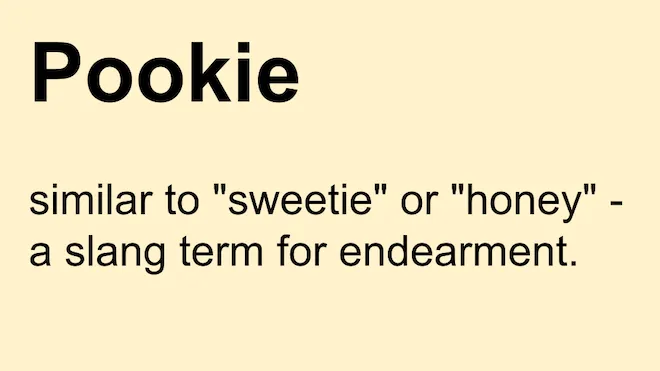
In today’s fast-paced digital world, certain words capture hearts and spread quickly through conversations, social media, and everyday interactions. One such term that has gained immense popularity is the endearing nickname that brings a smile to many faces. People often search for pookie meaning to understand its charm and how it fits into modern communication.
This article dives deep into everything you need to know about this affectionate expression. Whether you have heard it from a partner, a friend, or seen it trending online, exploring pookie meaning reveals layers of warmth, history, and cultural significance that make it more than just a casual word.
The Origins and Evolution of This Beloved Term
The story behind pookie meaning traces back several decades, with roots that blend different cultural influences. Some linguists suggest connections to German terms of endearment like “Püppchen,” which translates to something like “little doll,” used lovingly for children. Over time, this evolved into a playful nickname in English-speaking communities.
In the United States, particularly within African American Vernacular English and Southern traditions, similar affectionate expressions have existed since the 1930s or earlier. Parents might call their little ones by sweet names, and couples would whisper them to each other during tender moments. By the 1950s and 1960s, the term had become a staple in households across various regions.
Pop culture played a big role in keeping the term alive. Many remember Garfield the cat’s teddy bear named Pooky, which added a layer of cuteness and familiarity. In literature and television, characters have used it in lighthearted scenes, reinforcing its role as a sign of closeness. Even in the 1980s, the word appeared in different contexts, though its primary association remained positive and loving.
The digital age brought a fresh wave of attention. Platforms like TikTok helped revive and popularize the term among younger generations, turning it into a viral sensation. Videos featuring couples or friends using the nickname showcased genuine affection, encouraging others to adopt it in their own lives. This resurgence highlights how language adapts while staying true to its emotional core.
What Does Pookie Meaning Truly Represent?
At its heart, pookie meaning centers on affection and fondness. It serves as a cute nickname for someone special—whether a romantic partner, best friend, child, or even a beloved pet. Calling someone your pookie conveys that they are cherished, adorable, and important to you. It carries a sense of playfulness mixed with sincerity, making interactions feel warmer and more intimate.
Unlike more generic terms like “babe” or “honey,” this one has a unique, whimsical quality. It feels personal and light-hearted, often used in moments of joy or reassurance. For many, it transforms ordinary conversations into expressions of love.
Here are some common scenarios where people use it:
- In Romantic Relationships: Partners might say “Good morning, pookie” to start the day sweetly or send a text like “Can’t wait to see my pookie tonight” after a long week.
- Among Close Friends: Best friends tease each other affectionately, using the term to show appreciation during hangouts or supportive chats.
- For Family Members: Parents or grandparents might use it for kids or grandkids, creating lasting memories of family bonds.
- With Pets: Pet owners often call their furry companions pookie, especially when they do something cute or need comfort.
- In Self-Affection or Memes: Some people jokingly refer to themselves or favorite items as pookie in fun online posts.
These examples show the versatility of the term across different relationships.
Variations and Similar Expressions
Language is rich with alternatives that capture similar feelings. Understanding pookie meaning also involves knowing related terms that people use interchangeably or alongside it.
- Pooky or Pookie Bear: Slight spelling changes or additions emphasize extra cuteness.
- Pooh or Pookie Pooh: Playful extensions often heard in Southern dialects or family settings.
- Other Endearments: Terms like sweetie, cutie pie, boo, or lovebug serve similar purposes but may lack the distinctive sound of pookie.
In different regions, pronunciations and usages vary slightly. Some communities blend it with local slang, creating unique flavors while preserving the core affectionate intent.
Cultural Impact and Popularity Today
The spread of pookie meaning through social media demonstrates how quickly words can connect people globally. Hashtags, challenges, and couple videos amplified its reach, making it a go-to expression for expressing love online and offline.
This nickname appears in music lyrics, comedy sketches, and casual dialogues, reflecting its broad appeal. It bridges generations—older adults recall using it in their youth, while teens discover it anew through trending content. Its ability to evoke positive emotions explains why it resonates so strongly.
Psychologists note that using pet names like this can strengthen relationships by fostering closeness and reducing conflicts. They create a private language between individuals, enhancing emotional bonds and making everyday moments special.
Tips for Incorporating It Into Your Life
If you are considering adding this term to your vocabulary, here are practical suggestions:
- Start Small: Use it in texts or private moments to see how the other person responds.
- Match the Tone: Keep it light and genuine to avoid awkwardness.
- Observe Context: Pay attention to how others use it in videos or conversations for natural delivery.
- Combine with Gestures: Pair the word with hugs, compliments, or small surprises for greater impact.
- Respect Boundaries: Not everyone appreciates nicknames, so ensure mutual comfort.
These approaches help integrate the expression smoothly without forcing it.
pookie meaning has become a delightful part of contemporary communication, offering a simple yet powerful way to show care. Its enduring presence from past decades to current trends proves its timeless appeal.
Common Misconceptions and Clarifications
Some people wonder if the term carries negative connotations in certain circles. While isolated slang usages exist in specific historical contexts, the dominant and widespread pookie meaning today remains overwhelmingly positive and affectionate. Context always matters—pay attention to tone and relationship dynamics.
Another misconception is that it is exclusively for romantic partners. In reality, its flexibility allows use across various platonic and familial ties, making it inclusive and versatile.
Real-Life Stories and Examples
Many share heartwarming anecdotes about the term. One couple started calling each other pookie during their first date after a playful moment, and it stuck through years of marriage. Friends in a group chat use it to cheer each other up during tough times. Pet lovers post photos with captions that melt hearts, using the word to highlight their animals’ adorable traits.
These stories illustrate how a single word can weave itself into the fabric of personal narratives, creating lasting connections.
pookie meaning continues to evolve as new generations add their interpretations, yet it consistently brings people closer together.
Exploring its nuances encourages mindfulness in how we express affection daily. Small words like this hold surprising power in building happier interactions.
Why It Matters in Modern Communication
In an era where digital messages can feel impersonal, terms rich in emotion stand out. They humanize conversations and remind recipients of their value. This particular nickname excels at injecting warmth, whether in a quick note or a lengthy conversation.
Educators and language enthusiasts appreciate how such expressions preserve cultural heritage while adapting to new mediums. They serve as bridges between tradition and innovation in speech patterns.
pookie meaning encapsulates joy, care, and playfulness in just two syllables, proving that simplicity often carries the deepest sentiments.
Conclusion
Reflecting on pookie meaning opens a window into the beauty of affectionate language. From its historical roots to its vibrant presence in today’s relationships and social circles, this term stands as a testament to human connection. It reminds us that expressing fondness need not be complicated—sometimes a sweet nickname is all it takes to brighten someone’s day and strengthen bonds.
Whether you embrace it fully or simply appreciate its charm, understanding this expression adds depth to how we communicate love and friendship. Next time you feel close to someone, consider sharing a bit of that warmth with a loving word. In the end, it is these small gestures that create the most meaningful memories and foster genuine happiness in our lives.